As the world becomes increasingly health-aware, more consumers are turning to mobile apps to make informed decisions about the products they eat and use daily. From nutritional guidance to ingredient transparency, wellness technology is transforming how we approach self-care and everyday choices. What was once limited to nutrition labels and online searches is now instantly available with a single scan.
Table of Content
Among the leaders in this space is the Yuka app—an intuitive mobile solution that evaluates food and cosmetic products based on their health impact. Yuka empowers users to scan barcodes and quickly determine whether a product aligns with their wellness goals. But its impact goes beyond scanning—Yuka represents a growing demand for transparency, backed by data and user trust.
So, what’s fueling the rise of apps like Yuka? Today’s consumers crave clarity. They’re increasingly skeptical of vague claims and misleading packaging. Instead, they seek simple, science-based insights—delivered in real-time—to help them choose healthier options without the guesswork. This demand is creating ripe opportunities for entrepreneurs and tech innovators to enter the wellness app market.
In this comprehensive guide, we’ll explore everything involved in creating a solution that mirrors Yuka’s value—from essential features and technical architecture to pricing, monetization, and regulatory challenges. Whether you’re a startup, enterprise, or digital innovator, this blog will walk you through what it takes to Build an App Like Yuka that connects with today’s conscious consumers.
As a seasoned, we’ve helped businesses launch data-driven wellness platforms and intelligent . In this article, we’ll also show how we can support your journey to Develop an App Like Yuka—from ideation to launch and beyond.
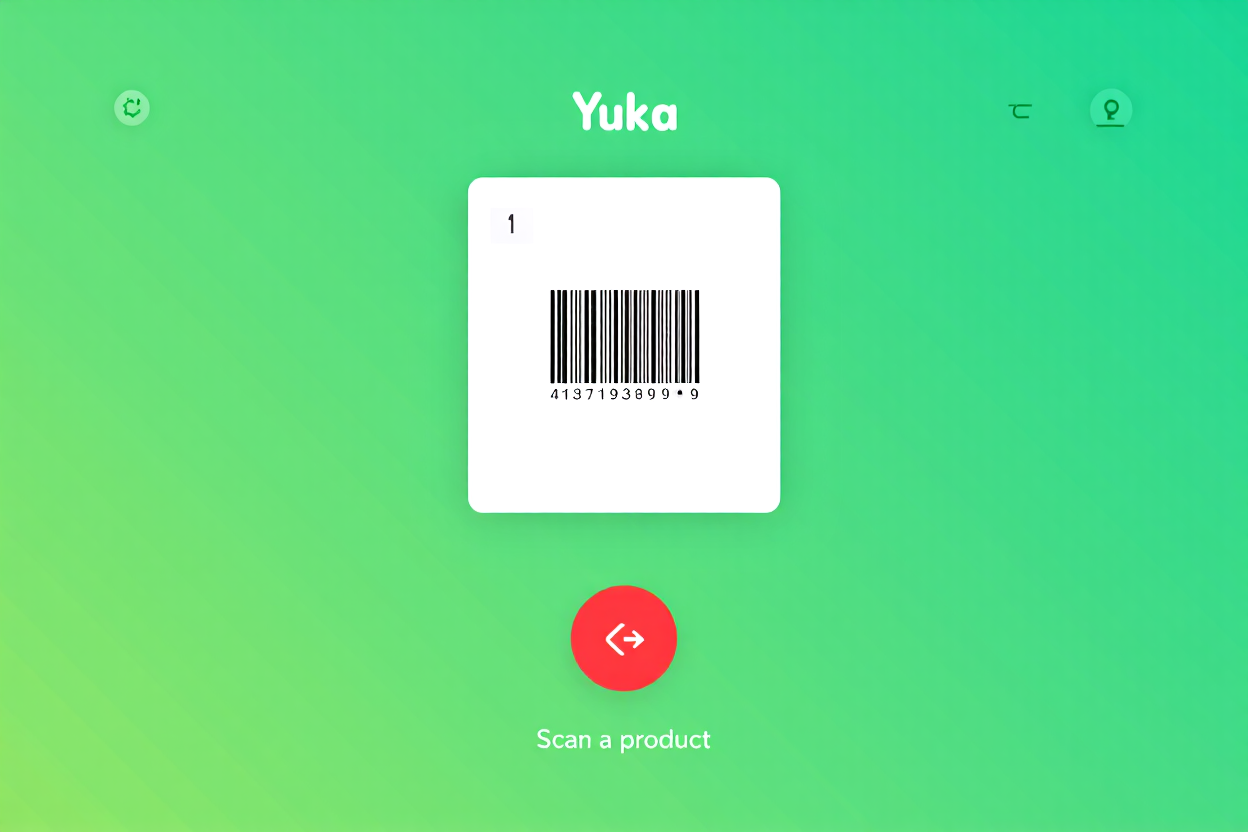
The Yuka app is a mobile barcode scanner designed to help users instantly evaluate the health impact of products they consume or use. It covers two major categories—food and cosmetics, making it a go-to app for anyone who wants to shop smarter.
When a user scans a product barcode, Yuka provides a simple health score, color-coded using a traffic light system—green for “excellent,” orange for “moderate,” and red for “poor.” These scores are calculated using a proprietary algorithm that assesses nutritional value, presence of harmful additives, or problematic cosmetic ingredients. When a product scores poorly, the app suggests healthier alternatives, making it not just informative but action-oriented.
Yuka’s mission is clear: make transparency the norm. The app is built on the belief that people have the right to know what they are putting into and onto their bodies. It pulls data from public sources and databases like Open Food Facts and INCI Beauty, then transforms that information into easy-to-understand evaluations.
The app’s influence extends well beyond France, where it was initially launched. Today, Yuka is popular across several European countries and is gaining traction in the United States, thanks to its user-first design and commitment to data accuracy.
In essence, Yuka is more than just a barcode scanner—it’s a lifestyle companion. And if you’re planning to Make an App Like Yuka, your goal should be to offer users more than information. You should provide clarity, confidence, and control over their daily consumption choices.
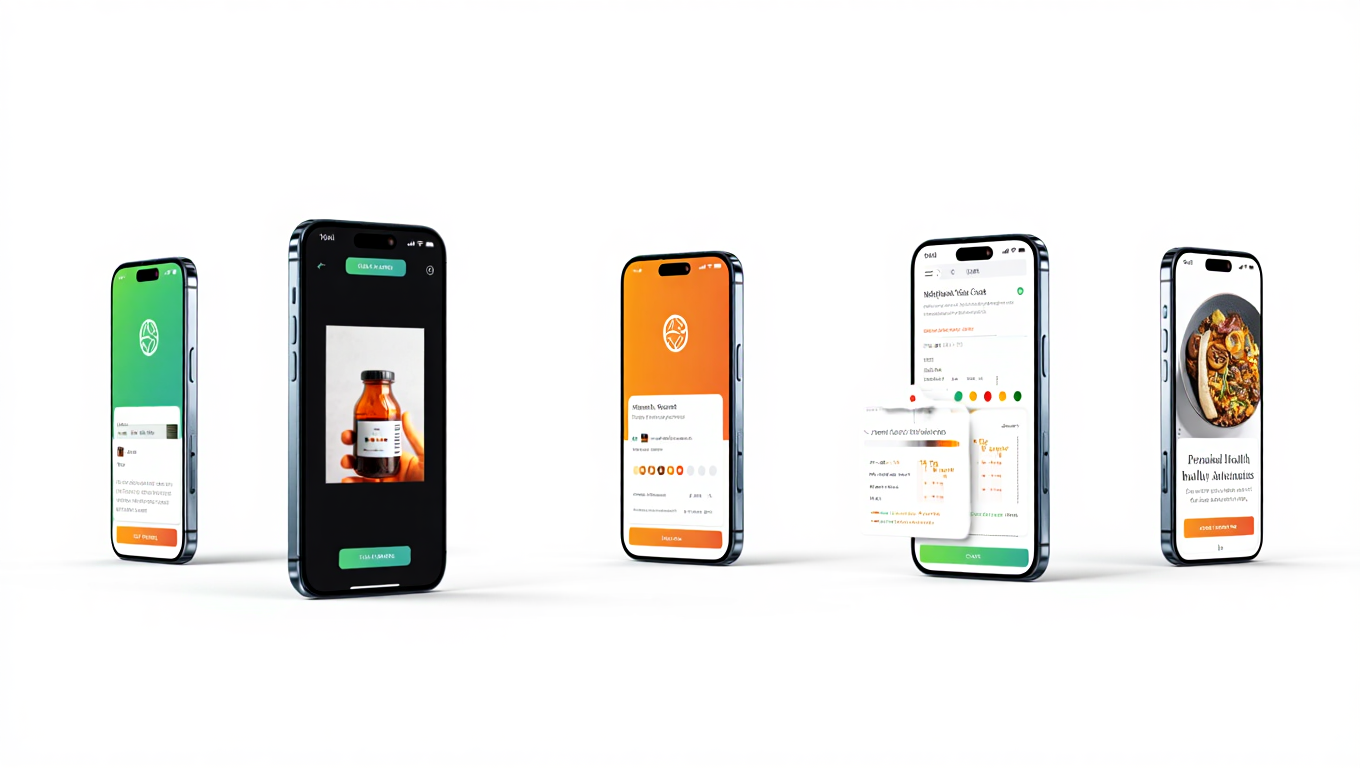
At its core, the Yuka app simplifies the complex world of food and cosmetic ingredients. It empowers users to scan a product’s barcode and instantly understand whether that product aligns with their health goals.
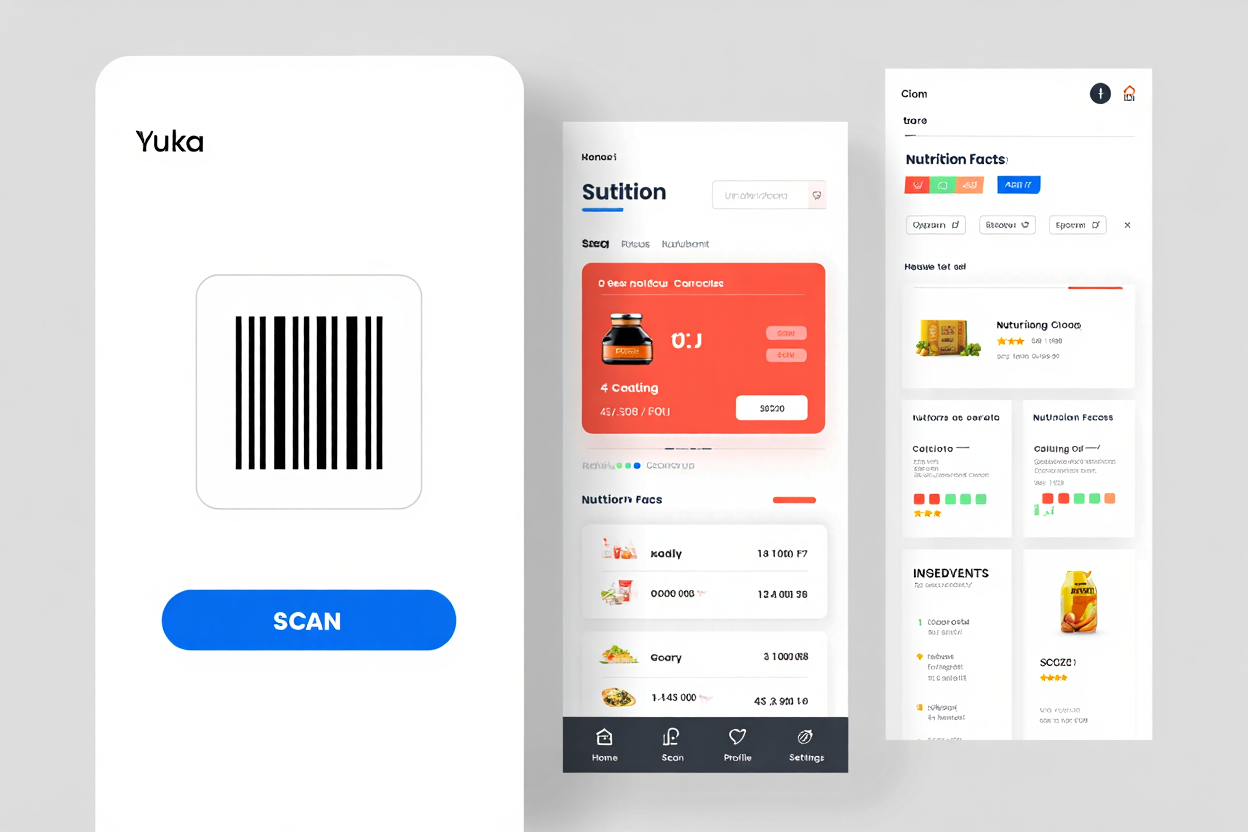
Yuka’s journey begins with a scan. Users simply point their smartphone camera at a product’s barcode, and the app immediately pulls data from comprehensive databases. This process is quick, intuitive, and user-friendly—making it easy to incorporate into everyday shopping.
If you plan to Build an App Like Yuka, the barcode scanning module must be lightning-fast, support a wide database, and function seamlessly across various product categories. This is one of the most critical pillars of the user experience.
Each product is assigned a health score, calculated using a proprietary scoring system that evaluates:
The algorithm breaks down each component and then generates a score from 0 to 100, helping users make informed decisions without needing a chemistry degree.
The app uses a traffic light color scheme for quick interpretation:
This simple visual system ensures that users can make decisions at a glance—even in a busy supermarket aisle.
One of Yuka’s most appreciated features is its intelligent suggestion engine. When a scanned product scores poorly, the app offers healthier alternatives from the same category—whether it’s another breakfast cereal or a cleaner face moisturizer. This added layer of personalization is what differentiates Yuka from generic scanning apps.
While the app doesn’t sell products directly, it often includes recommendation links to retailers, sometimes driving affiliate revenue. Some features may also be gated under a premium subscription model, offering deeper insights or expanded database access.
If you’re planning to Create an App Like Yuka, think beyond basic scanning—focus on building a health ecosystem that helps users take the next step toward better choices.
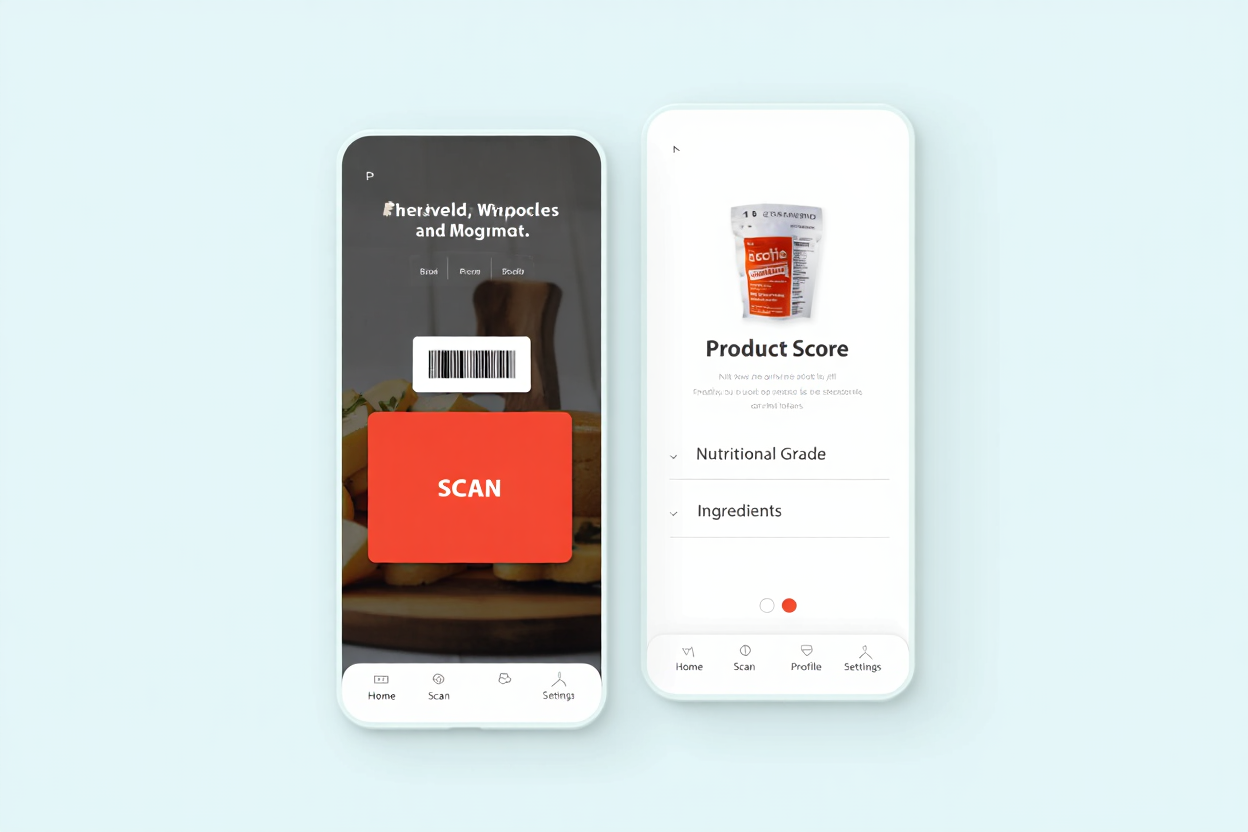
Whether you’re a startup founder or a health brand looking to expand digitally, knowing which features to prioritize is key when you Develop an App Like Yuka. Below is a breakdown of essential components that should be part of both the user panel and admin dashboard, along with some advanced features that can set your app apart.
These features are the backbone of your app’s user experience. Intuitive, responsive, and informative design is essential for retention.
If you plan to Make an App Like Yuka, these features should not just be functional—they must be optimized for speed, clarity, and value.
A robust backend ensures your app runs smoothly, maintains data accuracy, and scales efficiently.
If you’re working with a Mobile App Development Company, ensure they can deliver a powerful admin backend that aligns with your growth goals.
To truly stand out in a saturated market, consider integrating advanced technologies and premium offerings:
These features not only add tangible value to users, but also open up monetization pathways and long-term engagement opportunities. If you’re expanding into adjacent spaces like the food delivery app industry, these modules can seamlessly connect health data with purchasing behaviors.

Creating a feature-rich and reliable health analysis app like Yuka demands the right mix of technologies. A solid tech stack ensures not only smooth performance but also scalability, user satisfaction, and long-term success.
Below is the recommended technology stack for anyone looking to Build an App Like Yuka with modern performance standards:
If you’re choosing a team with expertise in these technologies will significantly streamline your development journey.

Whether you’re a health tech startup or an established business in the wellness industry, following a strategic development process is key to launching a successful app. Below is a detailed, step-by-step guide to Develop an App Like Yuka from scratch.
Before writing a single line of code, start with understanding the target audience. Are you catering to health-conscious millennials, parents, or fitness enthusiasts?
Conduct a competitive analysis to identify gaps in apps like Yuka, Fooducate, or Think Dirty. This helps you position your app uniquely—whether through a localized product database, more accurate scoring, or enhanced AI-driven recommendations.
Design is not just aesthetics—it’s user psychology in action. Begin with:
Intuitive scanning, legible scoring, and minimal friction in navigation are non-negotiable when you Create an App Like Yuka.
A Minimum Viable Product (MVP) allows you to validate your concept with minimal investment. Start by implementing:
Use the MVP to gather early user feedback and refine your features accordingly.
Rigorous testing is crucial, especially for apps dealing with sensitive health and product data. Include:
Remember, apps that crash or lag are instantly uninstalled—especially in health-related niches.
Once the app is stable, prepare for a powerful launch.
If you’re entering adjacent industries space, cross-promotional strategies can also boost installs.
Post-launch is where real growth begins.
A truly successful app isn’t static—it’s evolving, and that’s what keeps users engaged over time.
The cost of developing an app similar to Yuka—designed to scan and analyze food and cosmetic products—typically ranges from $10,000 to $30,000 or more, depending on features, technology stack, and development approach. On average, building a functional and user-friendly app like Yuka can cost anywhere from $10,000 to $30,000+.
If you’re looking to Build an App Like Yuka with scalability in mind, it’s best to start with an MVP, validate it with users, and then gradually invest in premium features based on feedback.
As health-conscious living becomes mainstream, several apps have emerged to guide users in their wellness journey. If you’re planning to Create an App Like Yuka, understanding the competition can help refine your app’s unique value proposition.
Understanding these apps helps you identify gaps—whether it’s UI experience, regional focus, or added functionality—and gives you a strategic edge when you Make an App Like Yuka.
Creating a value-driven health app is great—but making it profitable is just as important. Here are effective monetization models to consider when you Develop an App Like Yuka:
Offer essential features for free while gating advanced features—like in-depth ingredient breakdowns or ad-free experience—under a paid tier.
Monthly or yearly subscriptions are ideal for users who value consistent updates, personalized recommendations, or offline access.
Partner with ethical, health-oriented brands. When users buy recommended products, you earn a commission.
Display non-intrusive, relevant ads from health-conscious companies. Avoid junk food, cosmetic, or pharmaceutical brands that conflict with your app’s mission.
Enable users to purchase recommended alternatives directly from trusted retailers like Amazon or Walmart through in-app links.
Monetization should always align with your brand’s ethics and user trust. The goal is to support users in their wellness journey while building a sustainable business.
While the market potential is strong, building a reliable health transparency app comes with its own challenges. If you want to Build an App Like Yuka that users trust and love, prepare for these key considerations:
You’ll need a constantly updated and verified product database. Inaccurate or outdated information could damage trust and user retention.
Interpreting product labels in various languages and formats requires OCR technology and localized algorithms.
You may need to partner with databases like Open Food Facts, USDA, or INCI Beauty—or build your own proprietary database over time.
Users are sharing sensitive consumption data. Your app must be GDPR-compliant and use encryption to secure user profiles and scan history.
Depending on the region, food and cosmetic data are regulated by bodies like the FDA or EU Food Safety Authority. Ensure your app avoids making unverified health claims.
A strategic partner—such as an experienced—can help navigate these complexities and ensure regulatory alignment.

At our agency, we specialize in creating powerful, user-focused health and wellness applications. Here’s how we bring your vision to life if you’re looking to Build an App Like Yuka:
From research and planning to launch and post-deployment support—we manage the full development lifecycle.
We implement high-performance barcode scanning and seamlessly integrate with public or private product databases.
Our engineers build custom algorithms using AI/ML to evaluate ingredients, detect patterns, and deliver smart suggestions.
Our backend solutions are built to scale—ready for millions of scans and real-time analytics, all while keeping user data protected.
We design sleek, intuitive interfaces that make it easy for users to interact, understand scores, and build healthier habits.
We offer post-launch services including updates, server maintenance, performance monitoring, and marketing integration.
Our portfolio includes successful apps in nutrition tracking, product transparency—giving us the insight to deliver what works.
Let’s bring your idea to life and build a digital solution that empowers healthier living.
The digital wellness revolution is no longer a trend—it’s a movement. With the global shift toward health-conscious living and growing consumer demand for data transparency, there has never been a better time to Build an App Like Yuka.
Today’s users want more than labels and marketing buzzwords—they want clarity. They want technology that empowers them to make informed choices about the products they consume and use. Whether it’s scanning a snack before eating it or checking a cosmetic before applying it, users crave real-time, reliable insights—and apps like Yuka are delivering exactly that.
If you’re considering tapping into the health tech space, the timing couldn’t be more favorable. Governments are pushing for cleaner labeling. Consumers are demanding transparency. And the mobile-first generation is more than ready to adopt intelligent tools that support their wellness journey.
That’s where strategic execution matters. To truly Create an App Like Yuka that resonates with users and scales successfully, you need a partner who understands both technology and the nuances of the wellness industry.
Partnering with a trusted —one with expertise in barcode scanning, health scoring algorithms, and AI-based recommendations—gives your product a strong foundation. From intuitive UX design to secure backend systems, every technical decision should align with your mission of building trust through transparency.
Whether your goal is to launch a standalone health companion or expand features into adjacent categories , a thoughtfully built platform can open new avenues for growth, impact, and revenue.
In short, the demand is real. The opportunity is now. And with the right vision and the right team, you can develop an App Like Yuka that not only meets the moment, but helps define the future of digital health.


 Contact Us
Team Up With Us Today For An Unforgettable Service Experience












 Book Free Consultation